Why Lymphatic Massage is Best Post-Surgery
The decision to undergo surgery—whether cosmetic or necessary—is significant. You planned, prepared, and went through the procedure, and now comes the phase most crucial to your final results: recovery. While rest and medication play their part, there is one powerful, non-invasive treatment that healthcare professionals often recommend to optimize healing and significantly reduce discomfort: Manual Lymphatic Drainage (MLD) Massage.
If you are recovering from a procedure, understanding how MLD works with your body’s natural processes is the key to a faster, smoother, and more comfortable recovery.

The Unsung Hero of Healing: Your Lymphatic System
Think of your lymphatic system as the body's internal garbage disposal and plumbing network. It’s a vast system of vessels, nodes, and organs responsible for filtering waste, toxins, and excess fluids (lymph fluid) from your tissues before returning them to the bloodstream.
After surgery, this system goes into overdrive:
Trauma & Inflammation: Any surgical incision causes immediate inflammation and trauma, leading to an increased production of fluid, cellular debris, and waste products at the surgical site. Stagnation: The pathways often become clogged or overwhelmed, causing fluid to pool. This pooling leads to prolonged swelling, bruising, and discomfort, and can increase the risk of fibrosis (scarring or hardening of the tissue).
What is Manual Lymphatic Drainage (MLD)?
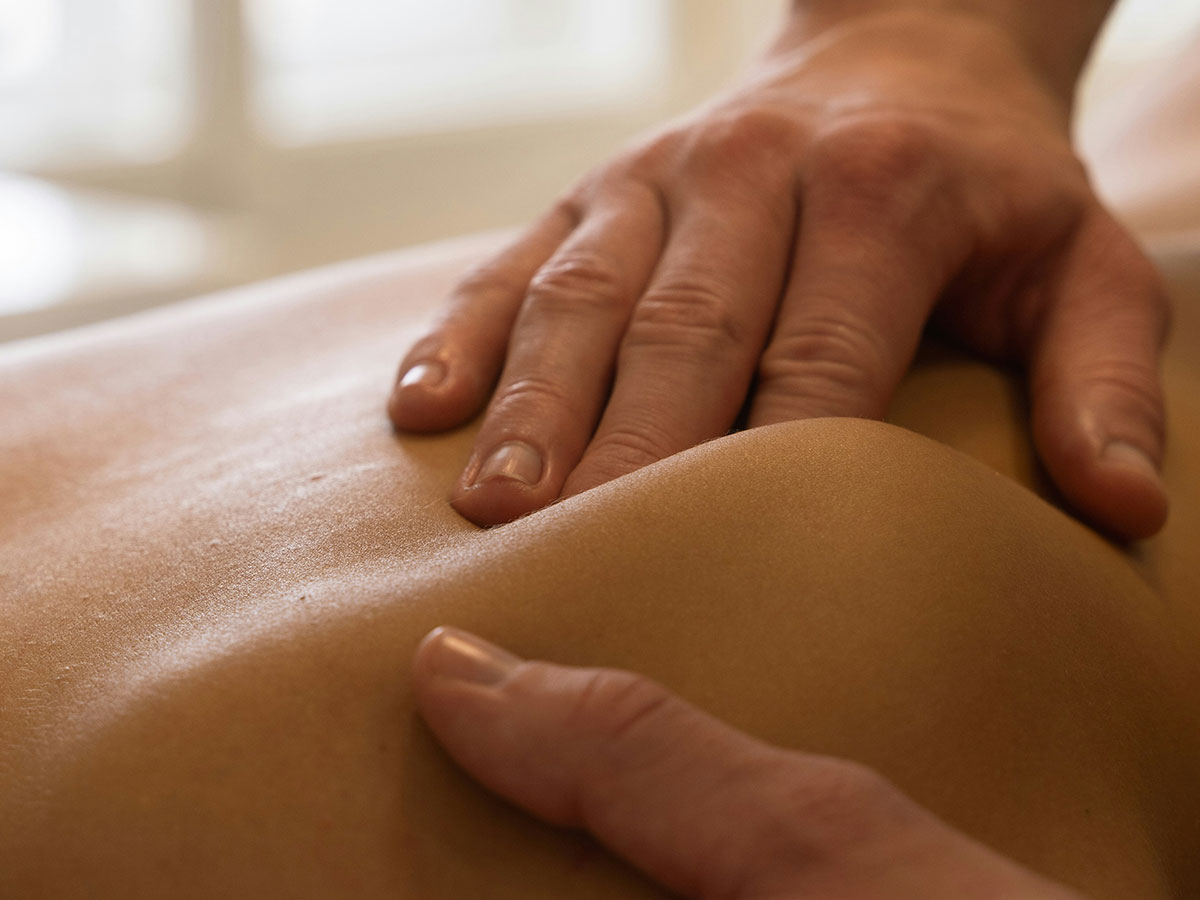
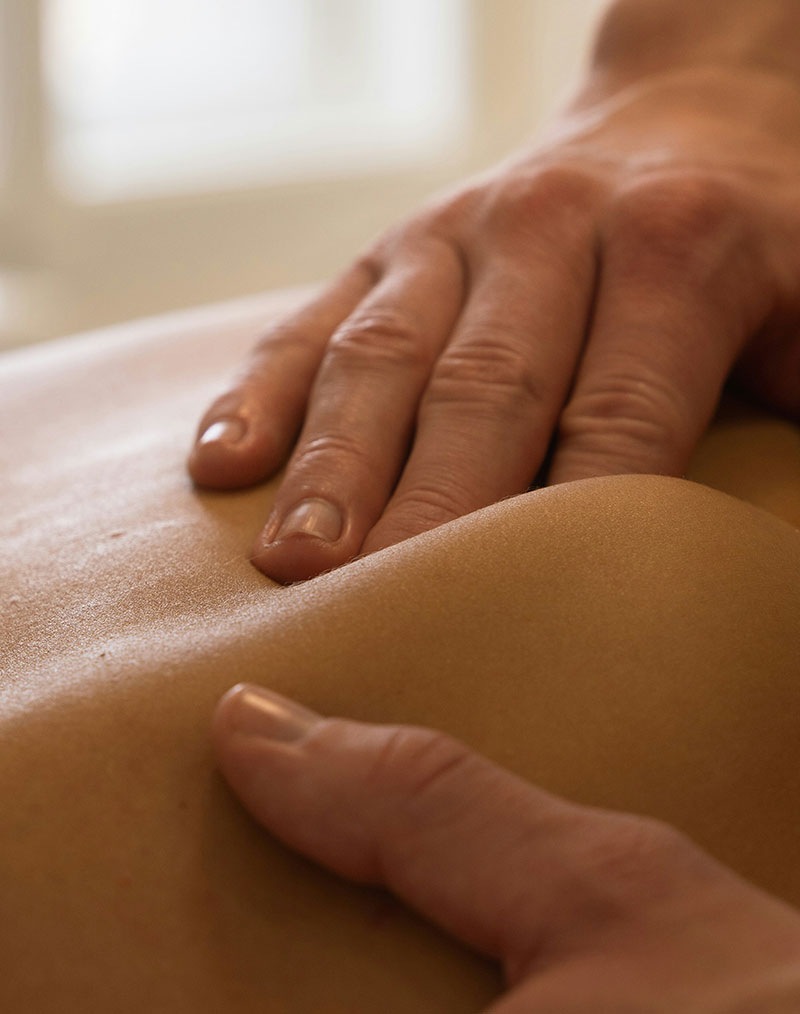
MLD is a highly specialized, gentle technique involving light, rhythmic, pumping motions. These movements are specifically designed to stimulate lymphatic circulation and guide stagnant fluid away from the affected area toward the nearest functioning lymph nodes (where the waste is filtered).
Key Benefits of Post-Surgical MLD:
Reduces Swelling & Edema
It physically moves excess interstitial fluid, which is the root cause of post-operative puffiness.
Accelerates Bruising Resolution
By clearing cellular debris and blood byproducts trapped under the skin, MLD helps bruises fade faster.
Prevents Fibrosis
It minimizes the localized accumulation of thick, stagnant lymph fluid that can solidify into fibrotic scar tissue, ensuring a softer, smoother result.
Pain Relief
Reducing swelling naturally alleviates pressure on nerves and surrounding tissues, providing immediate comfort.
Boosts Immune Function
By speeding up the rate at which toxins and metabolic waste are filtered, it supports the body's natural defenses.
When Should You Start MLD Post-Surgery?
The timing of your first MLD session is crucial and should always be discussed with your surgeon.
Early Intervention: Many surgeons recommend starting MLD as early as 24-72 hours post-operation, depending on the type of surgery. Early intervention is vital because it addresses fluid buildup before it can harden into fibrosis.
Initial Sessions: Sessions are typically scheduled close together (sometimes daily or every other day) during the first week or two of peak swelling.
Long-Term Care: MLD can continue for several weeks to months to refine surgical results, particularly to manage any residual hardness or scar tissue.
Why Choose a Certified MLD Therapist?
MLD is a therapeutic process that requires specialized training. A certified MLD therapist understands the anatomy of the lymphatic system and knows exactly where to apply pressure to open drainage pathways without irritating the surgical site.
At Prestige Skin Innovations, our therapists are certified in advanced MLD techniques tailored specifically for post-operative care, ensuring your treatment is safe, effective, and perfectly matched to your healing stage.
Ready to enhance your recovery journey? Schedule your Manual Lymphatic Drainage consultation today and ensure your body heals beautifully, inside and out.