The Final Milestone
The Ultimate Step in Cancer Recovery: Reclaiming Wholeness Through Hyper-Realistic 3D Areola Restoration
The journey through breast cancer recovery is a testament to human endurance, marked by countless challenging milestones. Survivors navigate a grueling gauntlet of diagnoses, chemotherapy, radiation, and major surgeries. For many, a mastectomy and subsequent breast reconstruction successfully win the physical battle against cancer. Yet, even when the oncological team gives a clean bill of health and the surgical incisions flatten into silver lines, a look in the mirror can still reveal a profound visual void.
Traditional surgical reconstruction excels at rebuilding the volume and contour of a breast, but it often leaves the canvas blank. This is where restorative 3D areola tattooing steps in.
Far more than a simple cosmetic touch-up, this specialized paramedical procedure serves as the final, triumphant milestone in a survivor’s recovery journey—bridging the gap between being clinically cured and feeling emotionally whole.

Moving Beyond the Medical Narrative
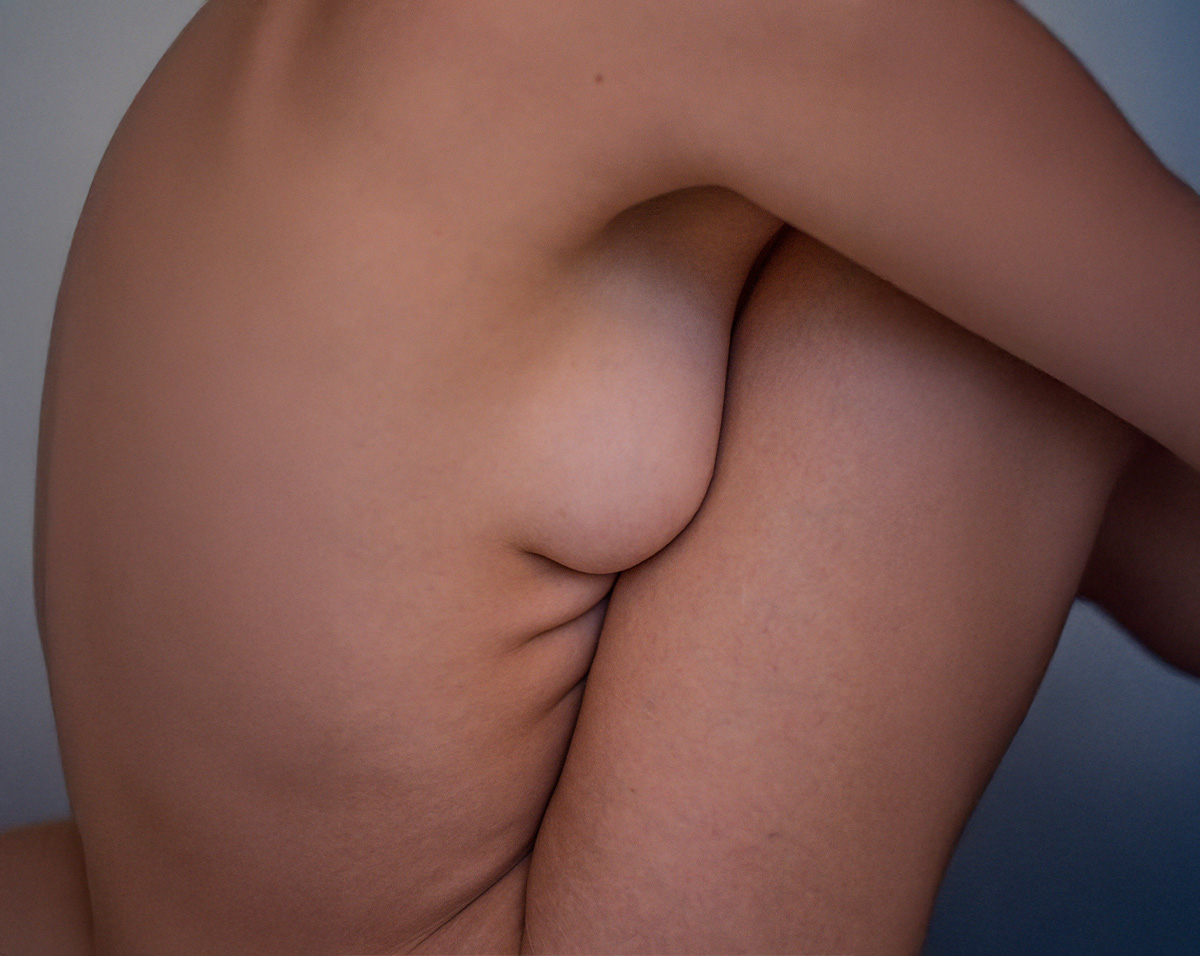
For years, the medical system viewed a mastectomy as purely structural: remove the diseased tissue, reconstruct the mound, and consider the job done. But our understanding of holistic healing has evolved. A physical scar often acts as a permanent visual anchor to a difficult time in life. Every morning in the mirror, survivors are reminded of the operating room rather than their own resilience.
Paramedical permanent makeup rewrites this narrative. By using advanced micropigmentation to replace what cancer took away, it helps survivors transition from the patient phase to the thriving phase. It allows individuals to reclaim their body autonomy, look past their medical history, and view their chest as a canvas of smooth, completed restoration rather than a reminder of a trauma.
The Artistry Behind the Needle: Creating the 3D Illusion
Recreating an areola on post-mastectomy tissue requires an entirely different technical skill set and level of artistic mastery than traditional decorative tattooing. Because reconstructed breasts are frequently flat or heavily scarred, a paramedical artist must use the principles of classical fine art to cheat the eye.
A hyper-realistic 3D areola tattoo relies on several sophisticated techniques:
- Advanced Color Theory: Scar tissue absorbs pigment unpredictably and has slower cellular turnover. Artists must custom-blend medical-grade inks to counteract the purple, red, or white undertones of surgical scars, matching the natural, dynamic complexion of the client.
- Chiaroscuro & Highlights: To create a realistic nipple where no physical tissue exists, artists use a classical drawing technique called chiaroscuro—the strategic play of light and dark. By tattooing precise, micro-shadows underneath the faux-nipple and applying softer highlights on top, they create an incredibly convincing three-dimensional illusion of depth and projection.
- Textural Camouflage: Natural areolas are not perfectly smooth circles; they feature unique irregularities, Montgomery glands, and subtle color gradients. A skilled specialist painstakingly tattoos these micro-textures, ensuring the final result looks indistinguishable from natural anatomy.
What to Expect on the Restorative Path
Because reconstructed skin has enduring structural changes, reduced blood supply, and altered nerve sensation, the restoration process is rooted in patience and safety.
Phase 1. The Healing Wait:
Tissue must be fully mature, stable, and completely healed before ink is introduced. This typically requires a strict waiting period of 12 months following your final reconstruction or fat grafting surgery.
Phase 2. The Private Consultation:
During a collaborative, highly sensitive consultation, your specialist evaluates your scar texture, discusses size and placement goals, and map-out a personalized color palette designed to harmonize with your skin tone.
Phase 3. The Layered Application:
The pigmentation is carefully layered across 1 to 2 sessions spaced several weeks apart. This gradual approach ensures the delicate scar tissue is never overworked, allowing the skin to retain the pigment beautifully and safely.
A Beautiful Closing Chapter
Ultimately, 3D areola restoration reminds us that the definitive end of cancer recovery isn’t just about the absence of disease—it is about the presence of self. It honors the incredible battle your body fought while gently erasing the visual markers of trauma.
By restoring what was lost with quiet precision, paramedical tattooing proves that the most powerful ink in the world isn’t the kind designed to stand out. It is the kind designed to make you feel completely like yourself again.
Are you ready to turn the final page of your recovery journey?
Schedule a Private, Compassionate Consultation with Our Paramedical Restoration Specialists