
Headaches and Massage
If you find yourself constantly reaching for pain relievers to deal with nagging headaches, the actual root of your problem might be sitting in your shoulders, neck, and upper back.
Tension headaches are the most common type of headache, and they are directly linked to muscle tightness, stress, and poor posture. Massage therapy is one of the most effective, drug-free ways to reduce both the frequency and intensity of these painful episodes.
Here is the physiological connection between headaches and massage, and how regular bodywork can help you find long-term relief.
How Muscle Tension Triggers Headaches
Your upper body acts as a complex web of interconnected muscles. When you experience stress, anxiety, or spend hours hunched over a computer or phone, certain muscle groups automatically contract and tighten.
- The Chain Reaction: Tightness in your shoulders (trapezius muscles) crawls up into your neck (suboccipital muscles) and eventually pulls on the delicate muscles surrounding your scalp and jaw.
- The “Vice” Grip: This muscular contraction creates a radiating, dull ache that feels like a tight band wrapping around your head—the classic definition of a tension headache.
- Restricted Blood Flow: Chronically tight muscles compress surrounding blood vessels, restricting oxygen-rich blood flow to the tissue and aggravating nerve endings, which sends pain signals directly to the brain.
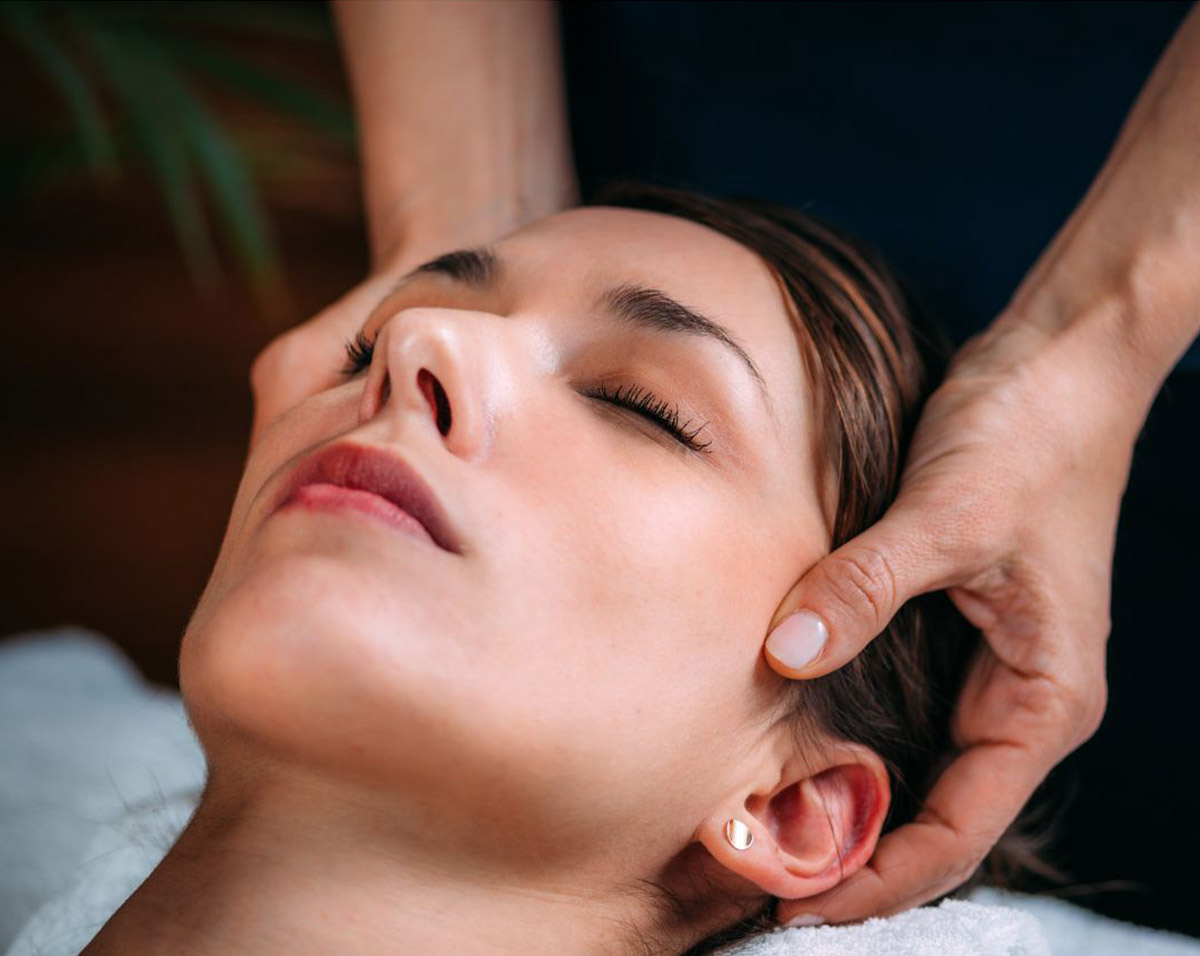
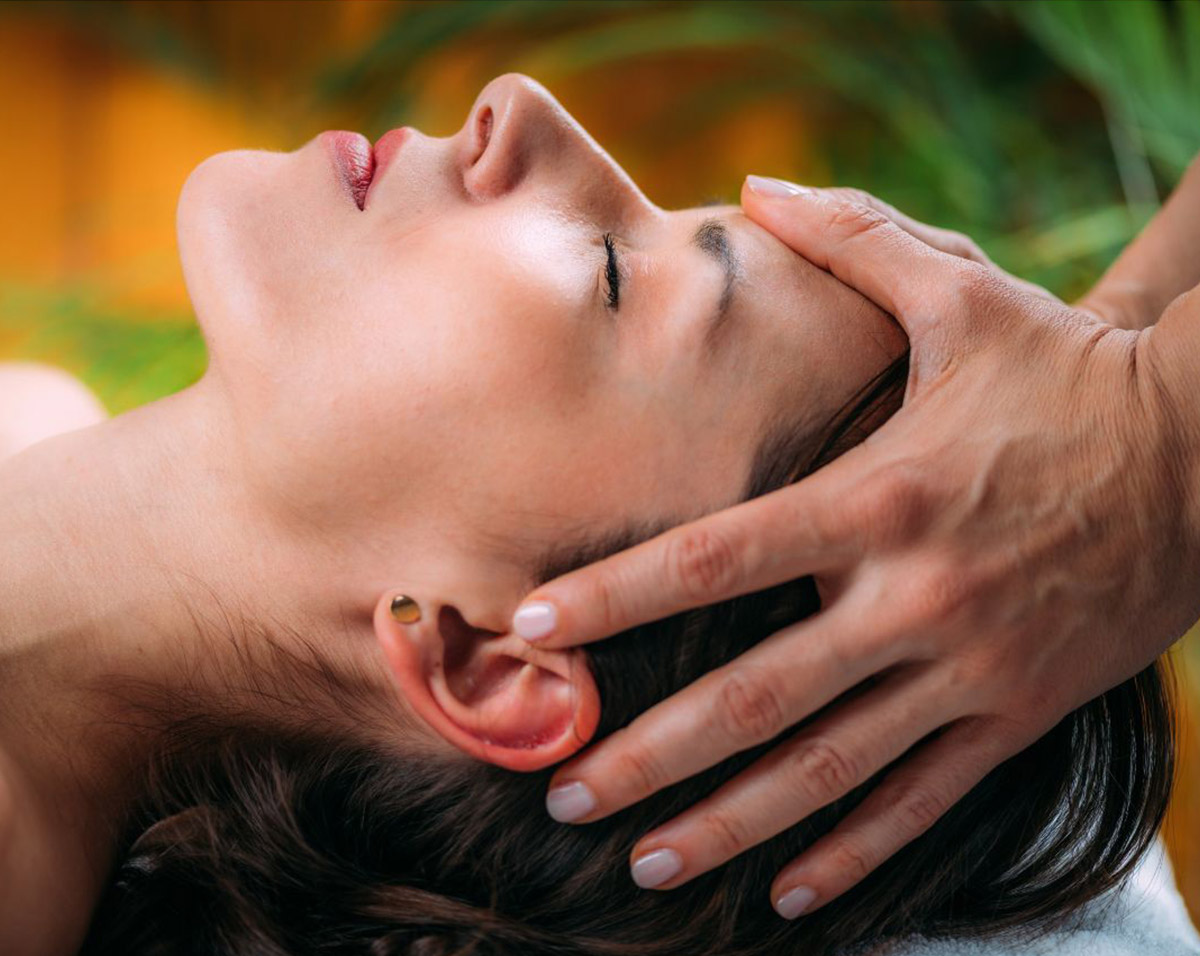
How Massage Therapy Relieves Headaches
A licensed massage therapist doesn't just treat the symptom (the pain in your head); they target the physical source.
The Targeted Relief Process
Step 1. Deactivating Trigger Points:
Therapists use targeted pressure to break up hyper-irritable “knots” (trigger points) in the neck and shoulders. Releasing these specific focal points stops the referred pain from traveling up into your skull.
Step 2. Flushing the Tissue:
By manually relaxing and lengthening the shortened, hyperactive muscles, massage stimulates a surge of fresh, nutrient-rich blood flow to the area, flushing out trapped metabolic waste and easing inflammation.
Step 3. Nervous System Reset:
Headaches are heavily exacerbated by high cortisol (stress hormone) levels. Massage therapy down-regulates your “fight-or-flight” nervous system, lowering stress and triggering the release of serotonin and endorphins—your body’s natural, built-in painkillers.
Regular Maintenance vs. Crisis Management
Many people make the mistake of only booking a massage after a severe headache or painful muscle spasm sets in. While a rescue massage can help, it is far more effective as a preventative practice.
When you incorporate bodywork into your routine consistently (every 3 to 4 weeks), you systematically lengthen chronically shortened muscles, fix postural imbalances, and lower your daily baseline stress. This drastically reduces the frequency, duration, and severity of tension headaches before they even have a chance to start.
3 Quick Tips to Pair with Your Massage Routine
1. Hydrate Immediately After: Massage releases built-up metabolic waste from tight muscle tissue into your bloodstream. Drinking plenty of water post-treatment helps your kidneys flush these toxins out quickly, preventing a post-massage sluggish feeling or a mild rebound headache.
2. Apply Heat Before, Cold After: If you feel a tension headache coming on at home, apply a warm compress to your neck to soften the muscles. If the headache is active and throbbing, apply a cold pack to constrict blood vessels and numb the sharp pain.
3. Check Your Ergonomics: Pay attention to your posture between massage sessions. Keep your computer monitor at eye level and avoid text-neck (looking straight down at your phone for hours) to keep your neck muscles from locking up again.
Contact us today to schedule your personalized consultation and take the first step toward a more confident, rejuvenated you.